 Pick up a bottle of fruit juice from a supermarket shelf and it is easy to see only the finished product. The bottle, the label and the drink inside. But behind that simple product is a much longer story and it may have started with a farmer planting a pineapple.
Before that pineapple can become an ingredient for a beverage manufacturer, it must be cultivated, harvested, transported and processed. That connection between the farm and the factory is what makes an agricultural value chain work.
For Nigeria, strengthening that connection could change how we think about food manufacturing.
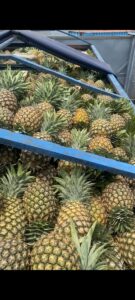
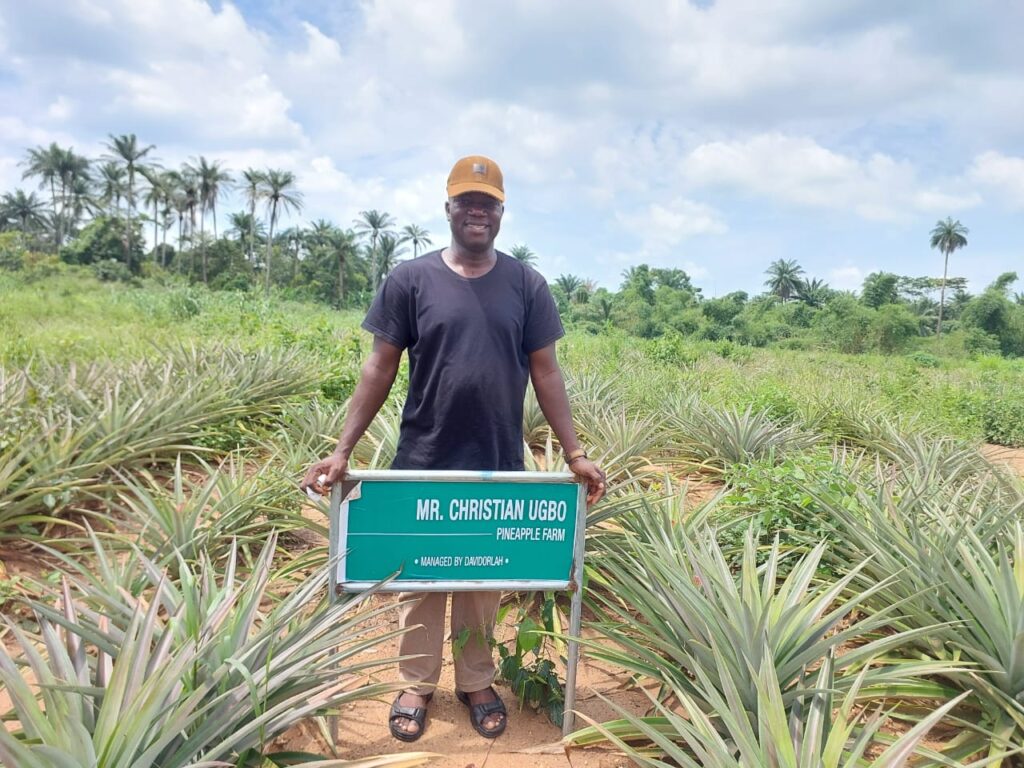
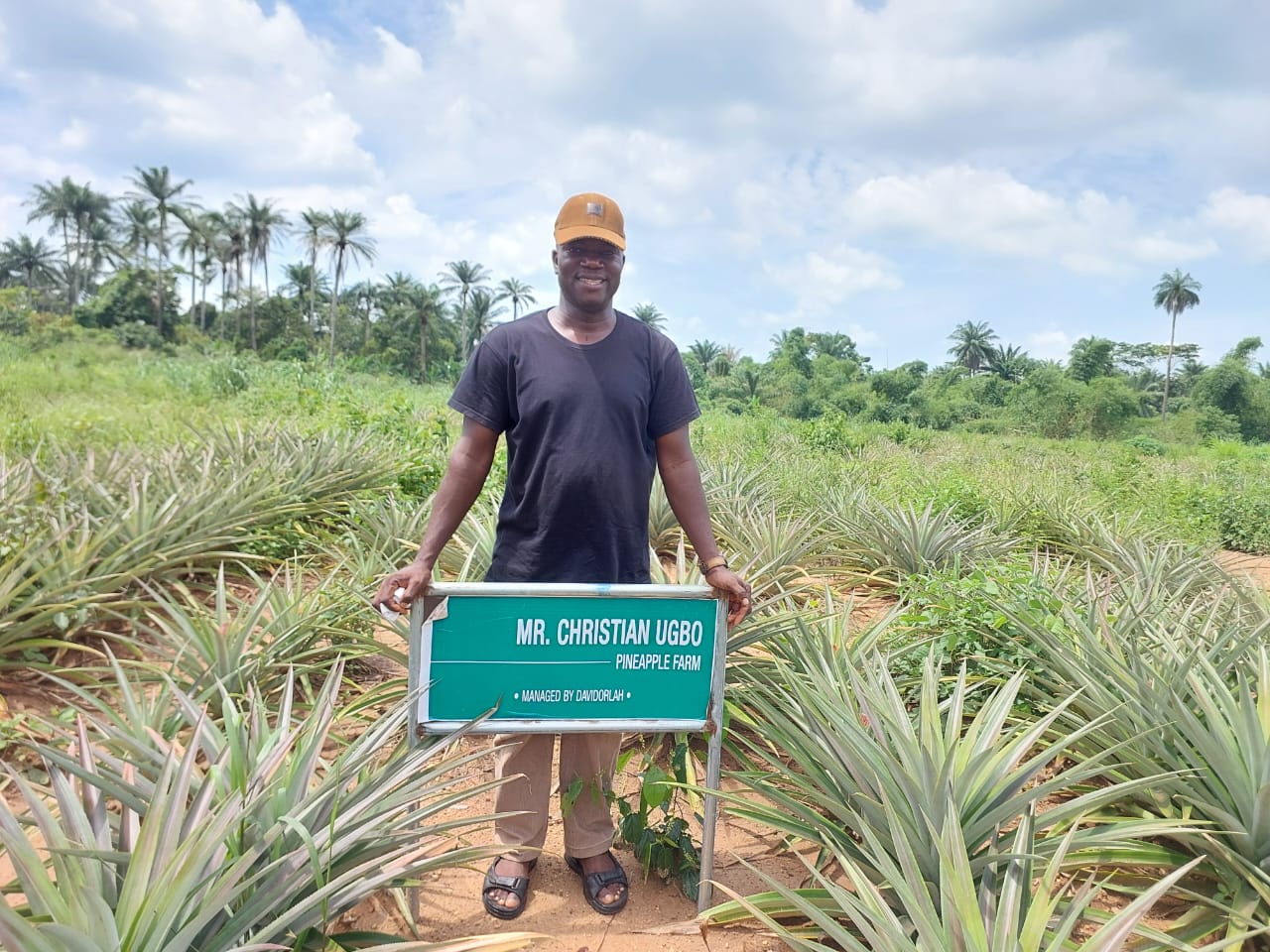
Take pineapple farming, for example. A pineapple farm can produce fresh fruit for consumers, but the possibilities do not necessarily stop there. With processing infrastructure, the same harvest can become pineapple concentrate, supplying an ingredient to beverage and food manufacturers locally and internationally.
And then there are the opportunities beyond the concentrate itself.
Pineapple contains bromelain, an enzyme with applications across different industries. Agricultural residues can also be explored for products such as briquettes. Suddenly, one crop is no longer just one product. It becomes the foundation for several possibilities.
This is the thinking behind Davidorlah Nigeria Limited’s broader approach to agriculture. The company is developing an ecosystem that connects pineapple farming, pineapple concentrate production, bromelain and agricultural waste utilization, rather than treating each stage as a separate business.
There is also another side to the story: the land itself.
Through pineapple real estate, farmland ownership can become connected to productive agricultural activity, creating a different way of looking at agricultural land not simply as a piece of property, but as land capable of supporting an operating value chain.
This is where the future of food manufacturing in Nigeria becomes particularly interesting. The factory of tomorrow cannot be disconnected from the farm of today. Manufacturers need raw materials, farmers need reliable markets, processors need supply, and consumers need quality products.
When those pieces connect, agriculture becomes much more than cultivation.
It becomes production.
It becomes manufacturing.
It becomes an ecosystem.
And sometimes, the journey to the factory really does begin with a pineapple in the soil.