 Ask a young graduate what kind of career they want, and you may hear technology, banking, media or entrepreneurship. Ask about agriculture, and the response might be very different. Many still imagine farming as physically demanding work with uncertain rewards.
But what if agriculture offered more career paths than we usually consider?
Modern agribusiness opportunities in Nigeria extend beyond planting and harvesting. Farms need managers. Processing facilities need engineers and quality-control professionals. Agricultural businesses need marketers, logistics coordinators, accountants, data analysts and customer service teams. Export-focused companies need people who understand documentation, buyer relationships and international trade.
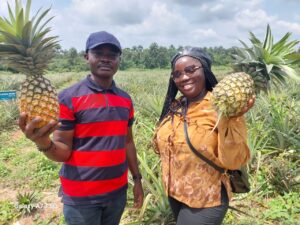
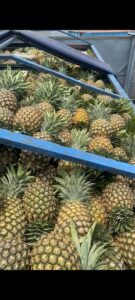
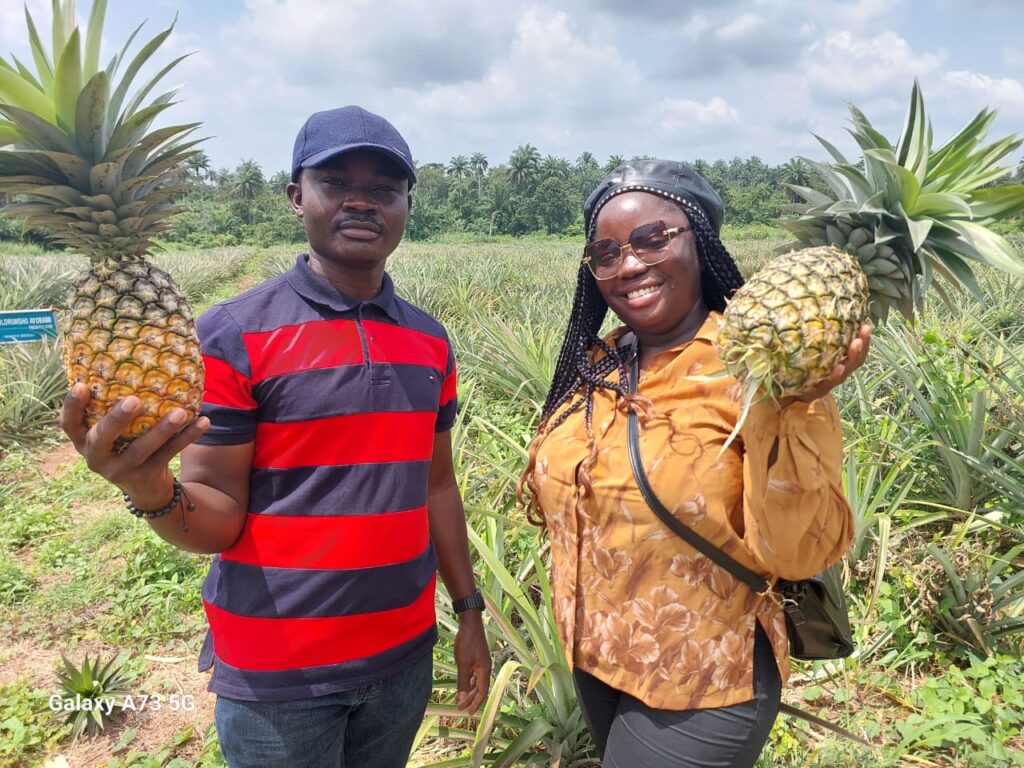
Consider the journey of a pineapple. Someone must manage its cultivation, monitor its quality, arrange its transportation and identify markets for the harvest. If the fruit is processed, additional skills are needed to operate equipment, manage production and develop relationships with food manufacturers.
One crop can therefore support a much wider network of skills and careers.
The opportunity is not simply to encourage every young person to become a farmer. It is to help more people recognise that agriculture is an industry with different entry points, from technical work and farm operations to sales, manufacturing and business development.
At Davidorlah Nigeria Limited, our approach to pineapple farming and the development of processing infrastructure reflects this broader picture. Connecting farms to processing and markets requires people with different skills working towards a common goal.
Of course, agricultural careers still require training, good management and a clear understanding of the risks involved. Opportunities differ by role, location and business model. But dismissing agriculture without examining its wider value chain could mean overlooking a sector that needs practical talent and fresh ideas.
Perhaps the question young Nigerians should ask is not simply, “Do I want to be a farmer?”
It is, “Where could my skills fit into the business of growing, processing and supplying food?”
The next generation of agricultural leaders may include farmers, yes—but also the people who build the systems, businesses and technologies that help agriculture move forward.